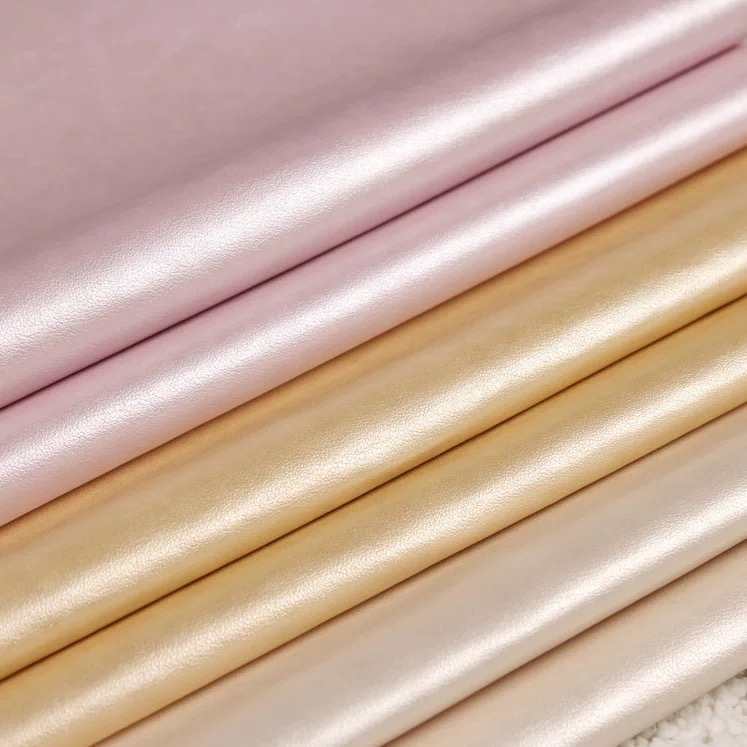
Artificial leather, also known as leatherette, synthetic leather, or faux leather, is a fabric manufactured to resemble genuine animal hide (leather). It is created by applying a coating or laminate onto a base material (typically cloth) to mimic the look, feel, and texture of real leather.
Here is an overview of artificial leather, including its types, characteristics, and uses.
Main Types of Artificial Leather
- PVC Leather (Polyvinyl Chloride)
· Composition: A fabric backing (such as polyester or cotton) coated with a layer of plasticized PVC.
· Characteristics: It is durable, waterproof, and easy to clean. However, it tends to be less breathable than other options and can crack or become stiff over time in extreme temperatures.
· Use: Upholstery (restaurant booths, car seats), handbags, and luggage. - PU Leather (Polyurethane)
· Composition: A fabric base (like polyester or microfiber) coated with a layer of polyurethane.
· Characteristics: Softer, more flexible, and more breathable than PVC. It has a texture closer to real leather. It is more environmentally friendly than PVC as it does not release chlorine-based toxins during production, though it still relies on petrochemicals.
· Use: Fashion garments, premium furniture upholstery, car interiors, and smartphone cases.