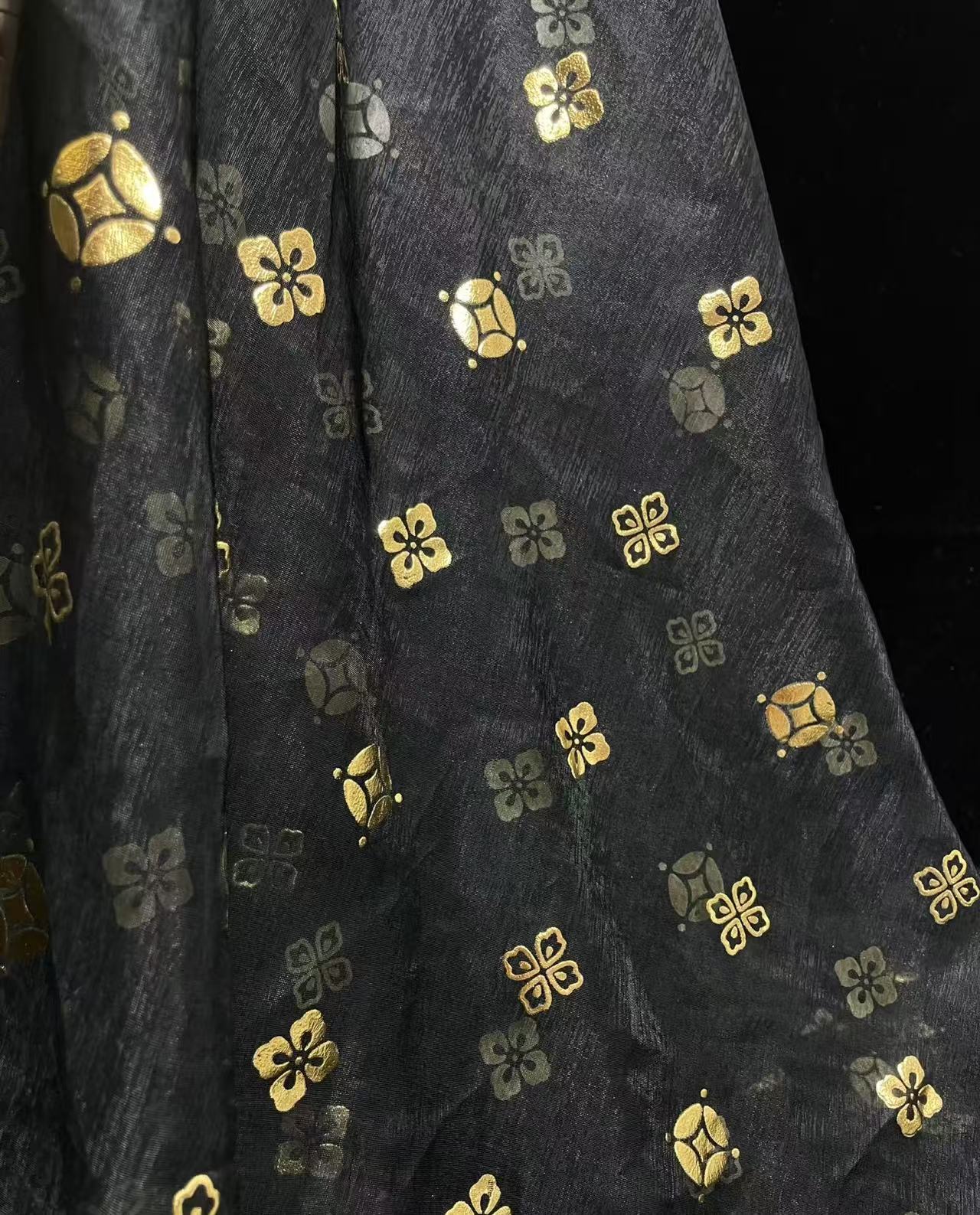
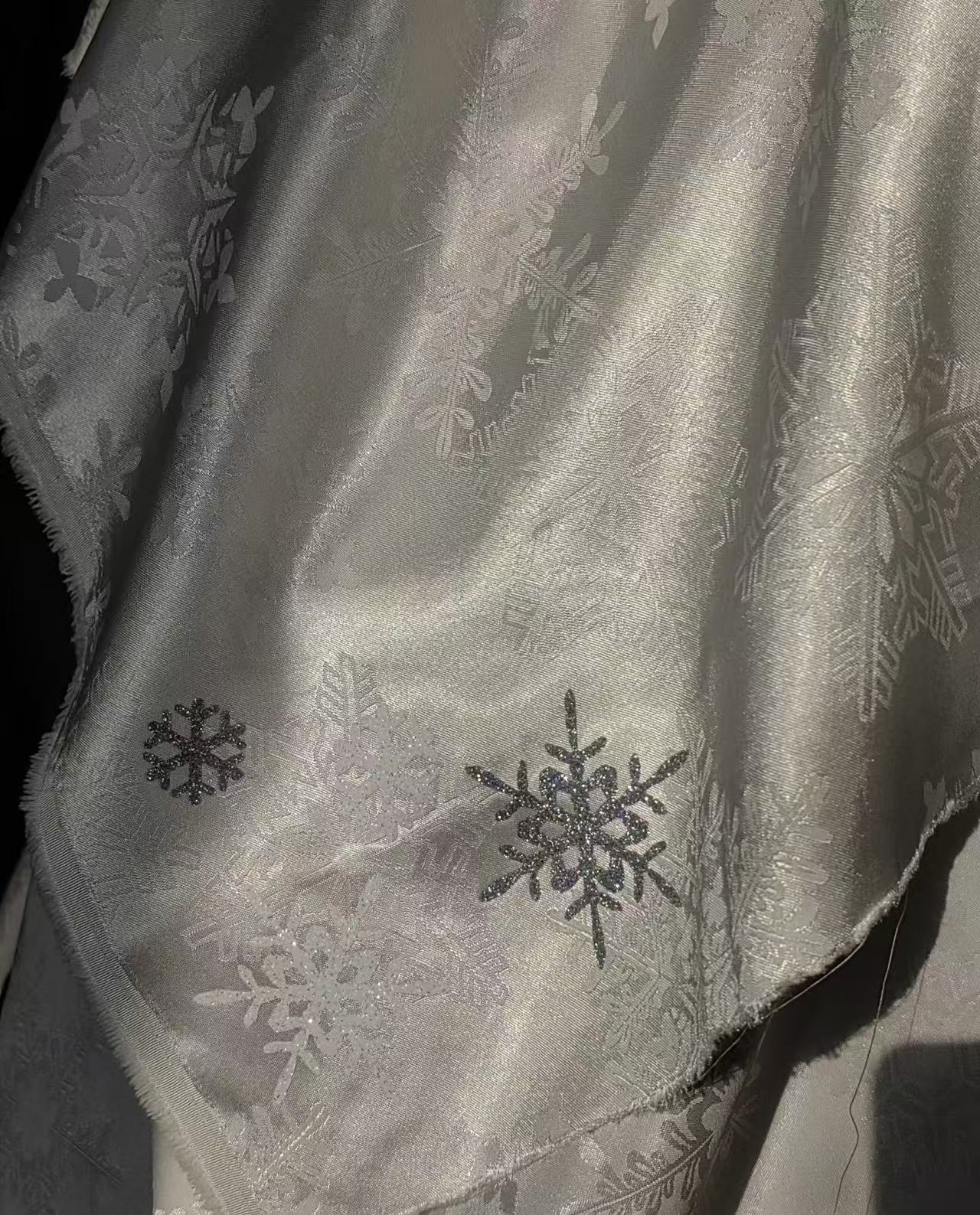
Fabric printing (also known as textile printing) is the process of applying color, patterns, or designs to fabric to create decorative textiles. Unlike dyeing, which colors the entire fabric uniformly, printing applies color to specific areas to form a pattern.
Here is an overview of fabric printing, including the main techniques, processes, and characteristics.
Main Techniques of Fabric Printing
Screen Printing
· Characteristics: Produces vibrant, durable colors. It is versatile and works on various fabric types. It can be done by hand or by automated machines.
· Use: Ideal for large runs of custom t-shirts, fashion garments, and home textiles.
Block Printing
· Characteristics: Has a charming, handmade, and slightly irregular aesthetic. It is labor-intensive but prized for its artisanal quality.
· Use: Traditional textiles, artisanal home decor, and high-end fashion.
Digital Printing (Inkjet Printing)
· Characteristics: Allows for highly intricate, photographic, and multi-colored designs without the setup cost of screens. Excellent for prototyping and small batches.
· Use: Custom apparel, bespoke interior design, and samples.
Rotary Screen Printing
· Characteristics: Ideal for very long production runs (continuous rolls of fabric) at high speeds.
· Use: Mass production of clothing fabric and household linens.
Sublimation Printing
· Characteristics: The design becomes part of the fabric, so it cannot be felt, peels, or fades easily. It requires a high-polyester content fabric.
· Use: Sportswear, flags, and all-over print fashion items.
Heat Transfer Printing (Vinyl/Plastisol)
· Characteristics: Excellent for solid-color, durable graphics (like numbers or logos). Can feel like a layer on top of the fabric.
· Use: Team jerseys, promotional t-shirts, and personalization.