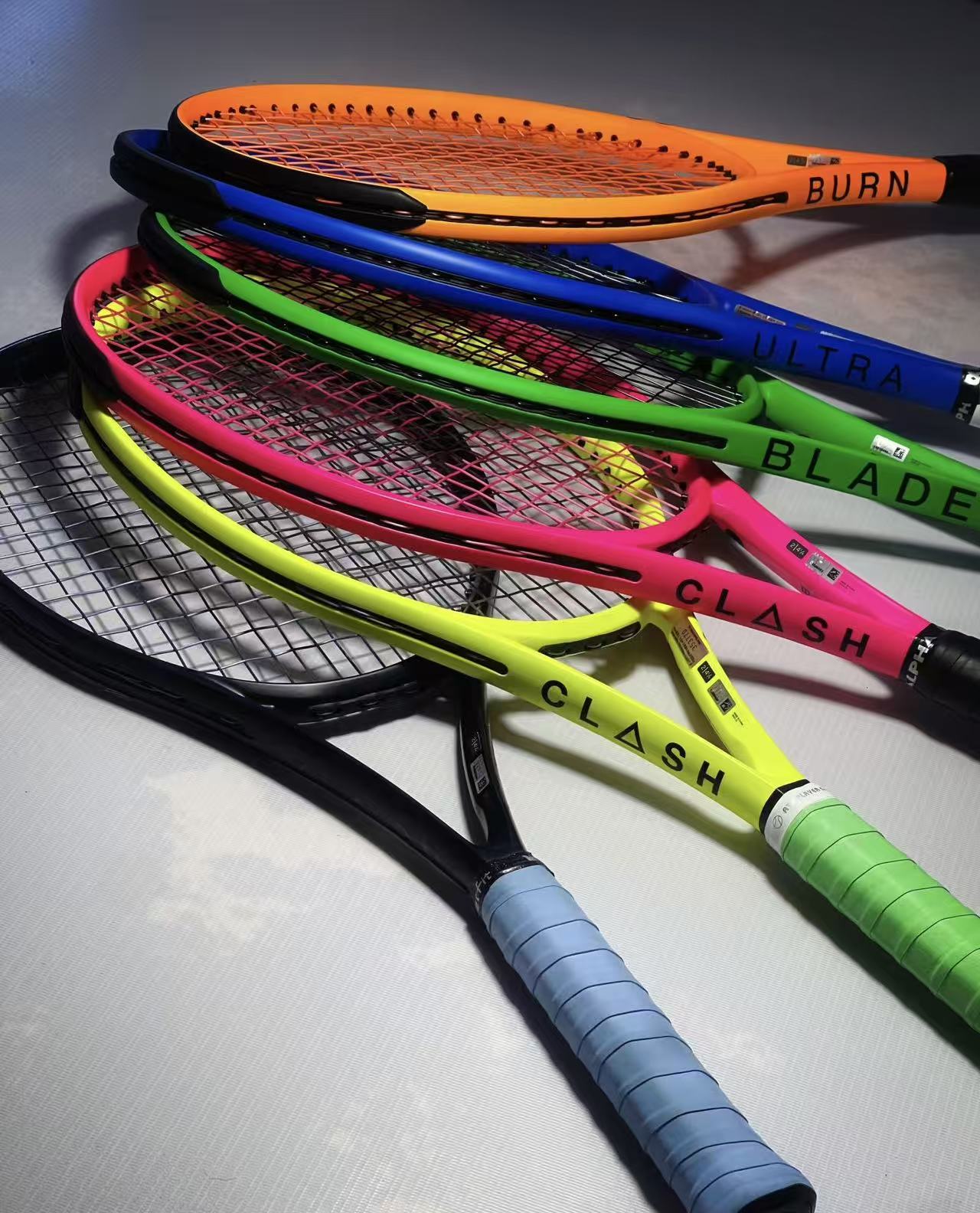
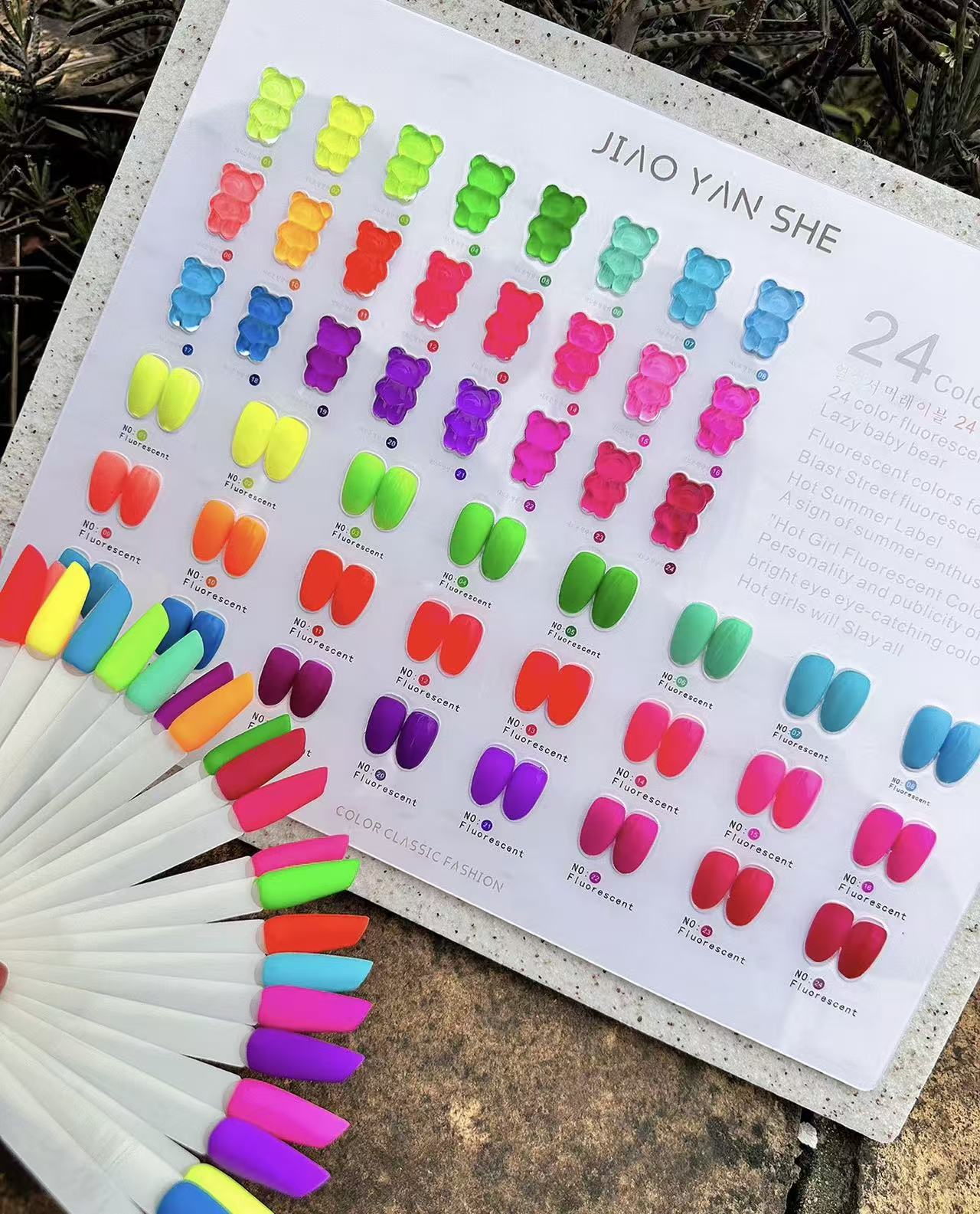
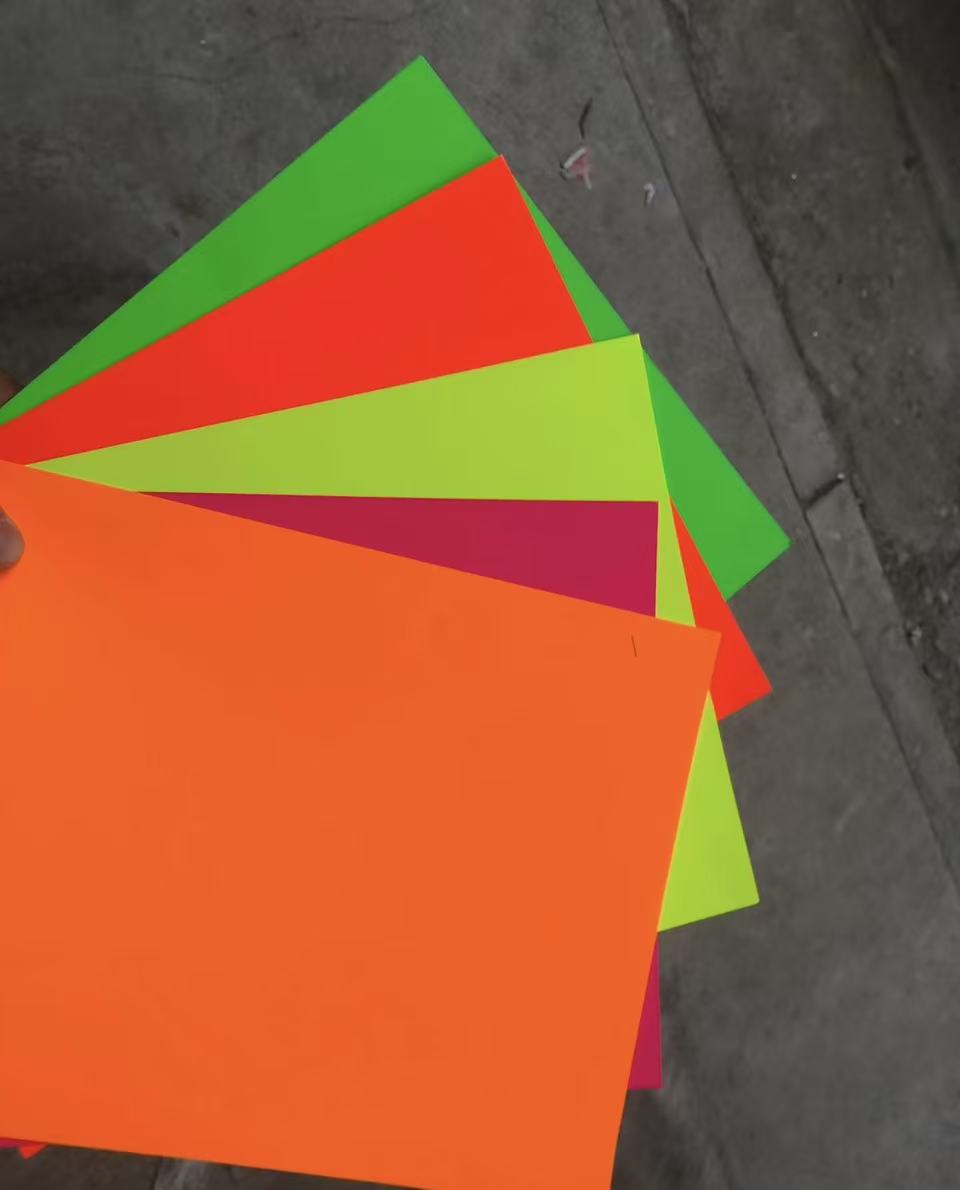
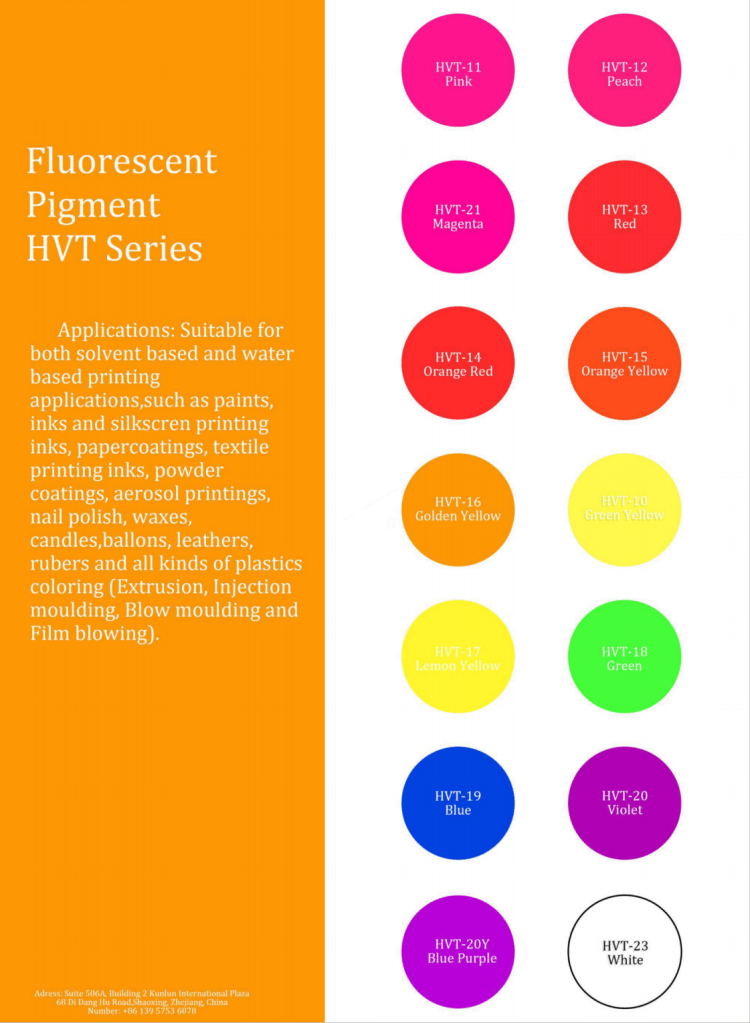
High Visibility: They produce extremely bright and vivid colors that seem to glow, making them perfect for safety signage and eye-catching designs.
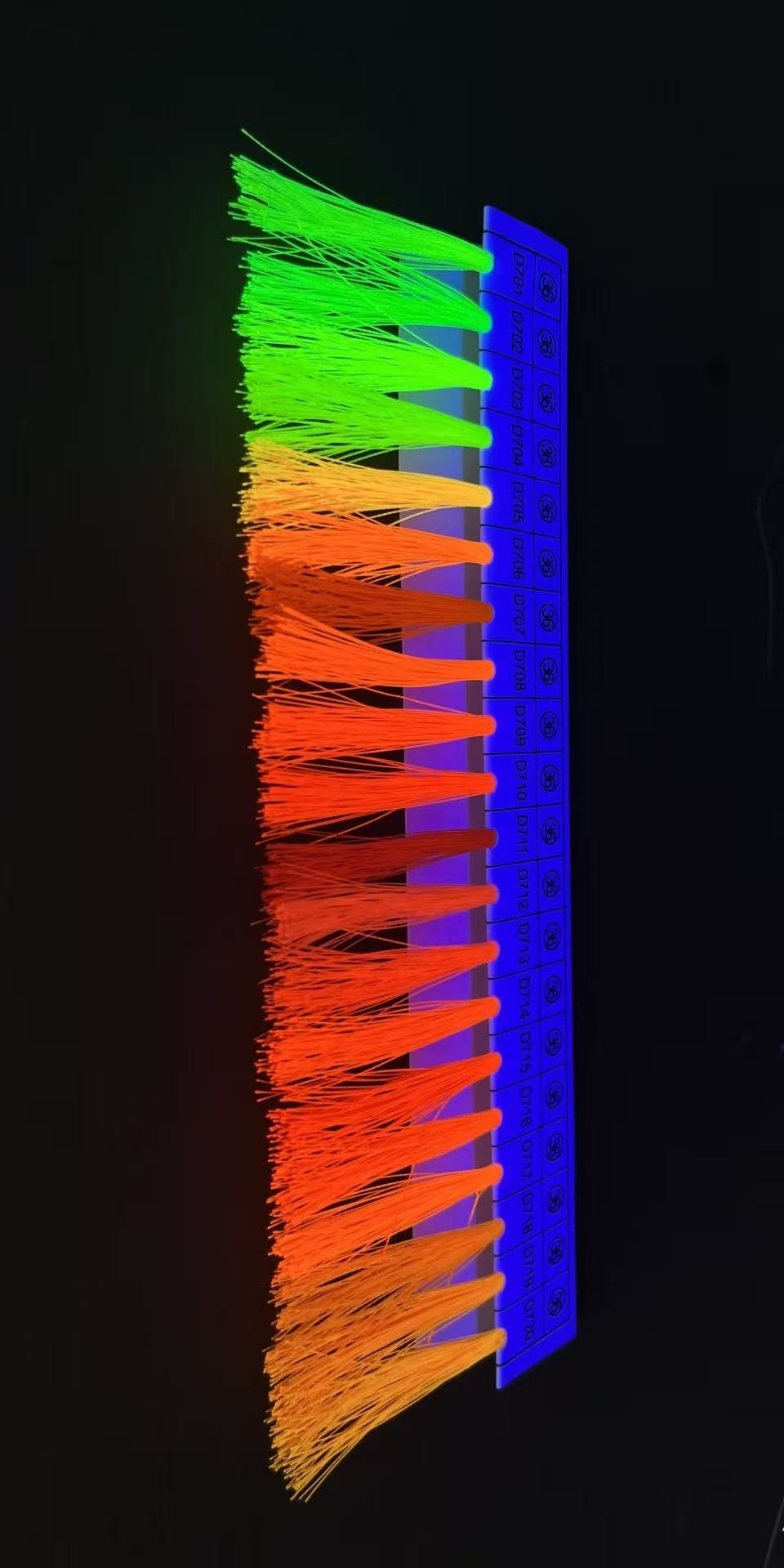
Light Conversion: They work by absorbing invisible ultraviolet (UV) light or short-wavelength visible light and re-emitting it as longer-wavelength visible light.
“Neon” Appearance: Often referred to as “neon” colors, they appear much brighter and more intense than conventional pigments, especially in daylight.
Composition: Typically made from thermoplastic resins (like melamine or polyamide) dyed with fluorescent dyes and ground into a fine powder.
Sensitivity: They are generally less lightfast than traditional pigments and may fade over time with prolonged exposure to direct sunlight.

 COLORWORK